Great Barrier Reef Fishing Zones Explained For Cairns Anglers
About one third of the Great Barrier Reef Marine Park is a no-take green zone, and the rest is a patchwork of zones with different fishing rules. Here is what each zone allows, how many rods you can use, and how a Cairns reef day works inside the rules.
Short answer
Yes, you can fish the Great Barrier Reef from Cairns. About 33 per cent of the Marine Park is a no-take green zone, but Habitat Protection zones cover about 28 per cent and General Use zones allow line fishing within gear limits. A shared reef charter from AUD 395 per person fishes allowed grounds within 50 km of Cairns.
Yes. Recreational line fishing is allowed in most non-green zones. The Great Barrier Reef Marine Park is not one big no-fishing reserve, it is a mosaic of zones, each with its own rules, and most of them allow recreational line fishing. The part that trips people up is knowing which zone they are standing in, because the boundary lines sit on water and the penalties for guessing wrong are real.
The Reef Authority, the federal body that manages the park, splits it into zones by colour. The one that matters most to anglers is the Marine National Park Zone, the green zone, where no fishing of any kind is allowed. Roughly 33 per cent of the whole Marine Park is green. Everything else, from General Use through Habitat Protection to the yellow Conservation Park Zone, permits line fishing inside stated gear limits. A Cairns angler who understands four or five zone colours can fish confidently almost anywhere a charter will take them.
This guide walks through the zones one by one, the rod and hook limits in each, the spawning closures that pause reef fishing for two five-day windows each October and November, and how a shared charter or a hired boat fits into the picture. The zoning rules themselves come from the Reef Authority's own published material, so they hold whether you fish from a charter, a hired tinny or the shore.
Where Can You Fish On The Great Barrier Reef From Cairns?
You can fish in every zone of the Marine Park except the green Marine National Park Zone, the pink Preservation Zone and the small blue Scientific Research areas, provided you stay inside each zone's gear limits. General Use and Habitat Protection zones together cover well over half the park, and charters out of Cairns work these grounds daily, typically within 50 km of the city.
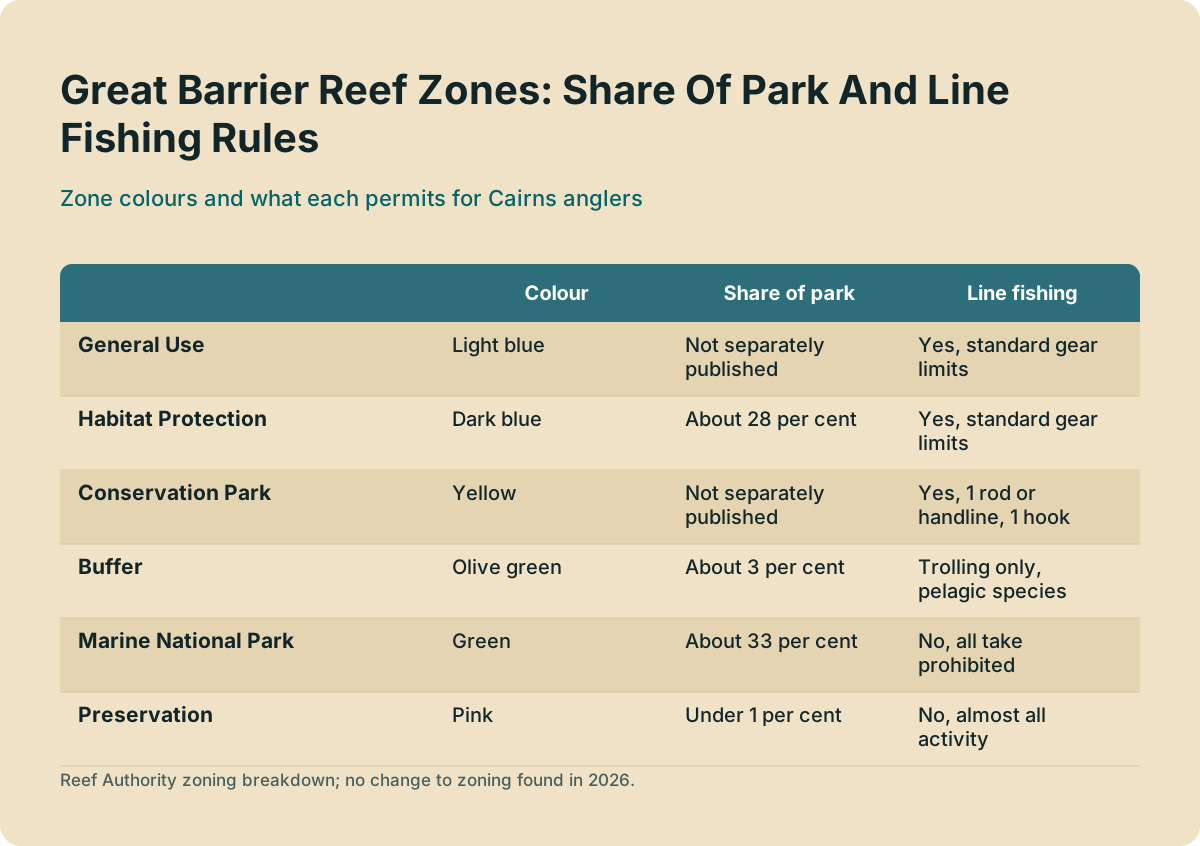
The simplest mental model is this: the further down the protection scale a zone sits, the fewer hooks you are allowed in the water. General Use, the light blue zone, is the most permissive. Habitat Protection, dark blue, covers about 28 per cent of the park and allows most recreational fishing. The yellow Conservation Park Zone is where the rules tighten sharply, one rod or handline and one hook per person. Buffer zones, olive green, allow only limited trolling for pelagic species. Pink Preservation zones, under 1 per cent of the park, are closed to nearly everything, and green zones are closed to all take.
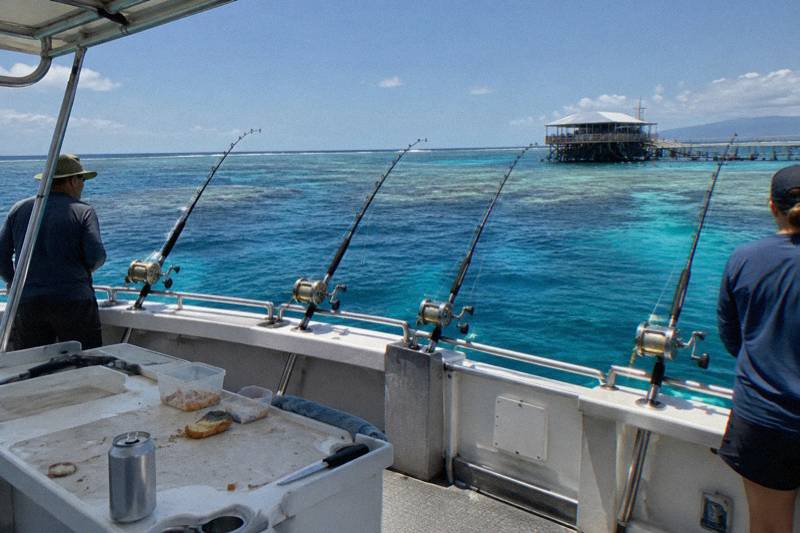
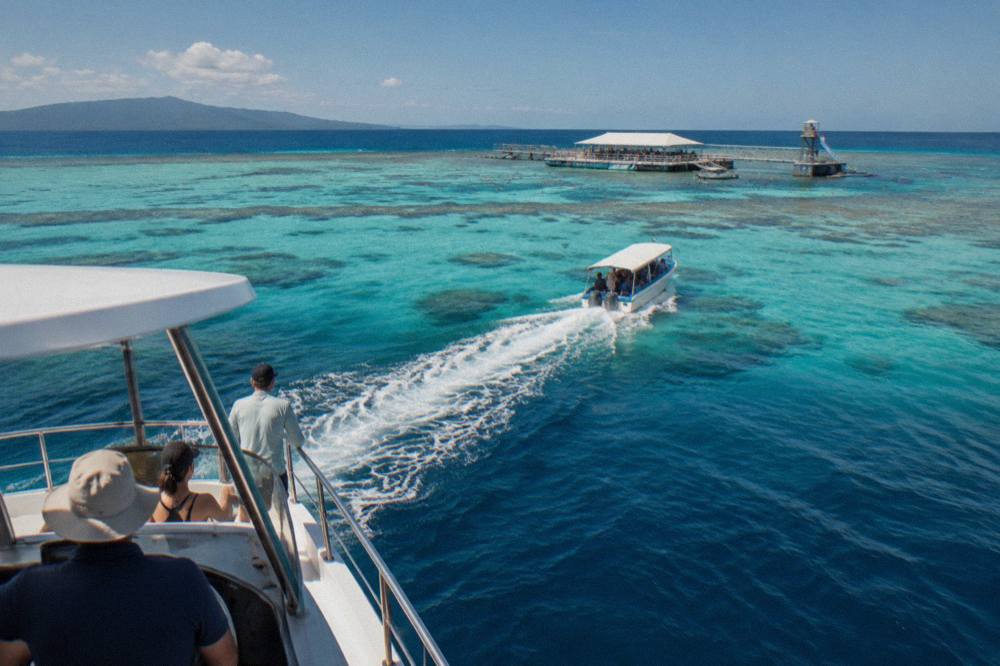
For a Cairns angler the practical geography is friendly. The reef grounds within a day's run of Cairns, the patch reefs and bommies inside about 50 km of the coast that the local shared charters fish, sit largely in zones where line fishing is permitted. The operator picks the grounds each day around weather, tide and what is biting, and a licensed charter operator working these waters every week knows the boundaries intimately. That local knowledge is one of the quiet advantages of a shared charter over a bare-boat hire: the skipper carries the zoning burden so the guests do not have to. Licences work much the same way, and our guide to Queensland fishing licence rules shows that no permit is needed for the reef or tidal waters, with the only exception being a stocked impoundment permit if you head inland to a dam such as Lake Tinaroo.
If you are planning the wider trip, the guide to Reef Fishing Cairns covers what the day itself is like, and Fishing Tours Cairns rounds up every bookable fishing experience in the region, from estuary mornings to self-drive boat hire.
What Do The Great Barrier Reef Fishing Zones Actually Mean?
Each colour on the zoning map is a separate legal area with its own rules: green means no take at all, dark blue Habitat Protection allows line fishing with standard limits, yellow Conservation Park cuts you to one rod and one hook, and pink Preservation zones forbid almost every activity. The zones overlay the whole Marine Park, including the water around Cairns, so every fishing trip happens inside one of them.
The Reef Authority publishes the full breakdown. The Marine National Park Zone, green, is described plainly as a no-take area: extractive activities like fishing or collecting are not allowed without a permit, and it makes up about 33 per cent of the Marine Park. Habitat Protection, dark blue, covers about 28 per cent and exists to protect sensitive habitats while still allowing most forms of recreational fishing. Buffer zones, olive green, sit at about 3 per cent and permit only limited activities, mainly trolling for pelagic fish. Preservation zones, pink, are under 1 per cent and are the most strictly protected areas in the park.
| Zone | Colour | Share of the Marine Park | Can you line fish? |
|---|---|---|---|
| General Use | Light blue | Not separately published | Yes, standard gear limits |
| Habitat Protection | Dark blue | About 28 per cent | Yes, standard gear limits |
| Conservation Park | Yellow | Not separately published | Yes, one rod or handline, one hook per person |
| Buffer | Olive green | About 3 per cent | Trolling only, pelagic species |
| Marine National Park | Green | About 33 per cent | No, all take prohibited |
| Preservation | Pink | Under 1 per cent | No, almost all activity prohibited |
Two things about this table surprise visitors. First, the green zone share is a whole-park figure: the Reef Authority publishes percentages for the entire Marine Park, not a separate breakdown for the Cairns section, so nobody can honestly tell you what fraction of the water off Cairns is off limits. Second, the zones are not arranged as a simple ring around the coast. Green zones are scattered through the reef as discrete blocks, some large, some the size of a single bommie, which is why skippers navigate with the official maps rather than by feel.
Zoning maps and rules for the Cairns area are unchanged in 2026. The Reef Authority's zoning maps and rules remain as previously established, and the Cairns area plan of management is unchanged, which is worth stating plainly because zoning rumours circulate constantly in tackle shops. The boundaries you fish this season are the boundaries from the official maps.
Which Zones Allow Line Fishing And How Many Rods Can You Use?
In General Use and Habitat Protection zones you may fish with up to three hand-held rods or handlines per person, with a combined maximum of six hooks. In the yellow Conservation Park Zone the limit drops to one rod or handline and one hook per person. Trolling is allowed in General Use, Habitat Protection and yellow zones within those limits.
The gear rules are the part of zoning that catches even experienced anglers, because they change by zone rather than staying constant. The Reef Authority's recreational fishing rules state the general line fishing allowance as three hand-held rods or handlines per person with a combined maximum of six hooks. That applies in the light blue and dark blue zones where most reef fishing happens. Drop into a yellow Conservation Park Zone, even accidentally while drifting, and your legal rig changes instantly: one rod, one hook, one line per person.
| Zone | Rods or handlines per person | Hooks | Notes |
|---|---|---|---|
| General Use (light blue) | Up to 3 | Combined maximum 6 | Standard line fishing allowed |
| Habitat Protection (dark blue) | Up to 3 | Combined maximum 6 | Standard line fishing allowed |
| Conservation Park (yellow) | 1 | 1 | Strictest zone that still allows fishing |
| Buffer (olive green) | Trolling only | Trolling limits apply | Pelagic species only |
| Marine National Park (green) | 0 | 0 | No fishing at all |
On a shared charter this is almost invisible to the guest. The boat carries the right rigs for the zones it fishes, the crew sets the tackle, and nobody hands you a six-hook spread in a yellow zone. On a self-drive hire it becomes your responsibility, and the briefing you get at the pontoon or tinny pickup includes fishing-spot tips precisely so you stay in the right water. The pontoon hire from Cairns Boat Hire, for example, includes a safety briefing and fishing-spot guidance at collection, which matters more when the zoning burden is yours.
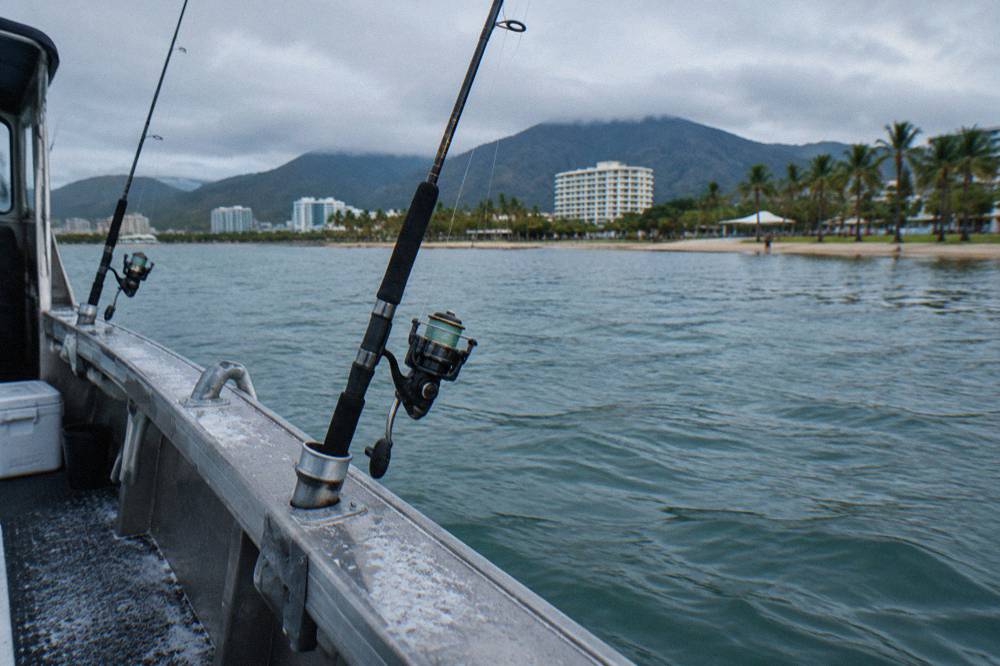
One practical note on hooks: the six-hook combined maximum is per person, not per boat. A family of four in a General Use zone can legally run twelve hooks in total across their rods, provided each individual stays within three rods and six hooks. The rules are written around the individual angler, and fisheries officers check accordingly.
Can You Travel Through A Green Zone With Fish On Board?
Yes. The Reef Authority's rules allow you to cross a green zone with legally caught fish aboard, provided the fish were taken outside the green zone and your fishing gear is stowed: rods in rod holders or inboard, nothing in the water, no line trailing. Fishing while passing through, even for a moment, is prohibited.
This rule answers the question every skipper gets from nervous guests. You catch a feed on the reef, the shortest route home clips the corner of a green zone, and nobody has to throw back a legal catch or take a long detour. The conditions are strict but simple. The fish must have been caught outside the green zone, in a zone and season where taking them was legal. The gear must be stowed inboard or secured in rod holders, with no bait in the water and no line out. The moment a line enters the water inside the green zone, you are fishing in a no-take area, and that is an offence regardless of intent.
The same logic extends to anchoring. Stopping in a green zone is allowed for activities like diving or photography, but the moment the boat stops, the gear rules still apply: nothing in the water. Anglers who want to eat their catch the same day should also know the handling rules that apply everywhere in Queensland, not just the reef. Reef fish must generally be kept whole until you are ashore unless a specific rule says otherwise, and size and possession limits apply to what is in your esky, not just what you kept at the filleting table.
For the charter guest, this is all background. The shared reef day out of Cairns, from AUD 395 per person with a 4.3 rating from 39 reviews, fishes allowed grounds within about 50 km of Cairns, targets coral trout, red emperor and large mouth nannygai, and the crew cleans, chills and bags the catch to take home. The zoning decisions sit with the operator, who works these waters daily.
What Reef Fish Can You Keep And When Are The Closures?
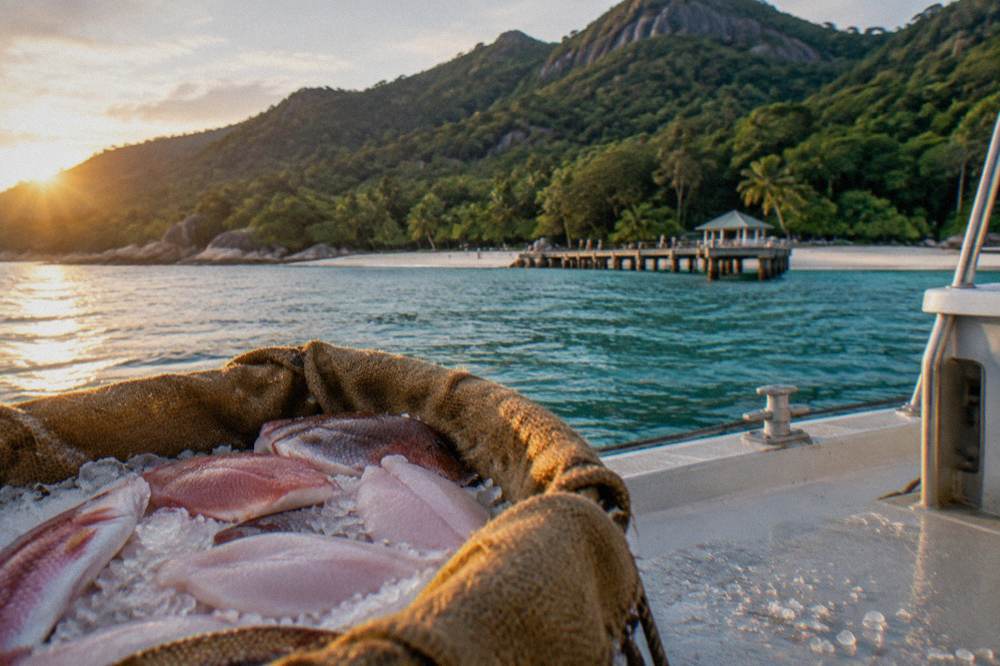
Coral trout must be at least 38 cm with a combined trout limit of 7, red emperor at least 55 cm with a limit of 5, and the combined coral reef finfish possession limit is 20 in total. Reef finfish fishing pauses for two five-day spawning closures each October and November: in 2026 those are 8 to 12 October and 6 to 10 November.
The size and possession limits are the second half of the zoning story. Zones tell you where you may fish, limits tell you what you may keep, and both apply on every trip, charter or private. The headline numbers for the Cairns reef table fare: coral trout minimum 38 cm and a combined limit of 7 across all trout species, red emperor minimum 55 cm and a limit of 5, mangrove jack minimum 35 cm and a limit of 5, sweetlip minimum 25 cm with 5 per species, tuskfish minimum 30 cm with a combined limit of 6, and cods and groupers minimum 38 cm with a combined limit of 5. Over everything sits the combined coral reef finfish possession limit of 20 in total. To see how that overall limit is counted per angler, including what applies on a charter and during spawning closures, our guide to reef fish possession limits per person in QLD covers the details.
| Species | Minimum size | Possession limit |
|---|---|---|
| Coral trout (all species combined) | 38 cm | 7 |
| Red emperor | 55 cm | 5 |
| Mangrove jack | 35 cm | 5 |
| Sweetlip | 25 cm | 5 per species |
| Tuskfish | 30 cm | 6 combined |
| Cods and groupers | 38 cm | 5 combined |
| All coral reef finfish combined | Varies by species | 20 in total |
The closures are the dates that genuinely reshape trip planning. Fisheries Queensland closes reef finfish take for two five-day windows around the October and November new moons, when key species spawn. In 2026 those windows are 8 to 12 October and 6 to 10 November, and the closures run from northern Cape York southward, which includes all Cairns waters. The same period also carries the northern Spanish mackerel closures, 8 to 29 October and 6 to 27 November 2026, with a minimum size of 75 cm and a limit of 1 per person or 4 per boat when four or more are aboard. These closures bind charters too: a charter boat cannot target reef finfish during the windows, and one Cairns operator openly states it switches to other fishing during them. If your holiday dates collide with a closure, an estuary trip is the natural substitute, and the Estuary Fishing Cairns guide covers what Trinity Inlet produces instead.
How Do Charters And Self-Drive Boats Handle Zoning?
A licensed charter operator carries the zoning responsibility: the skipper chooses grounds that are open, rigs tackle to the zone's gear limits and keeps the day inside the closures. On a self-drive hire the responsibility shifts to you, which is why the hire operators build a spot briefing into the handover and why free zoning maps matter most for bare-boat anglers.
The division of labour is worth understanding before you book anything. On the shared reef charter, guests fish where the operator fishes, and the operator cannot afford a zoning breach, so the route, the anchors and the tackle all reflect years of working the same permitted grounds. The listing states the boat travels about 90 minutes offshore to reef grounds within 50 km of Cairns, targeting coral trout, red emperor and large mouth nannygai, with rods, tackle, bait, a buffet lunch and reef taxes included, from AUD 395 per person. It holds a 4.3 rating from 39 reviews, a modest but real pool.
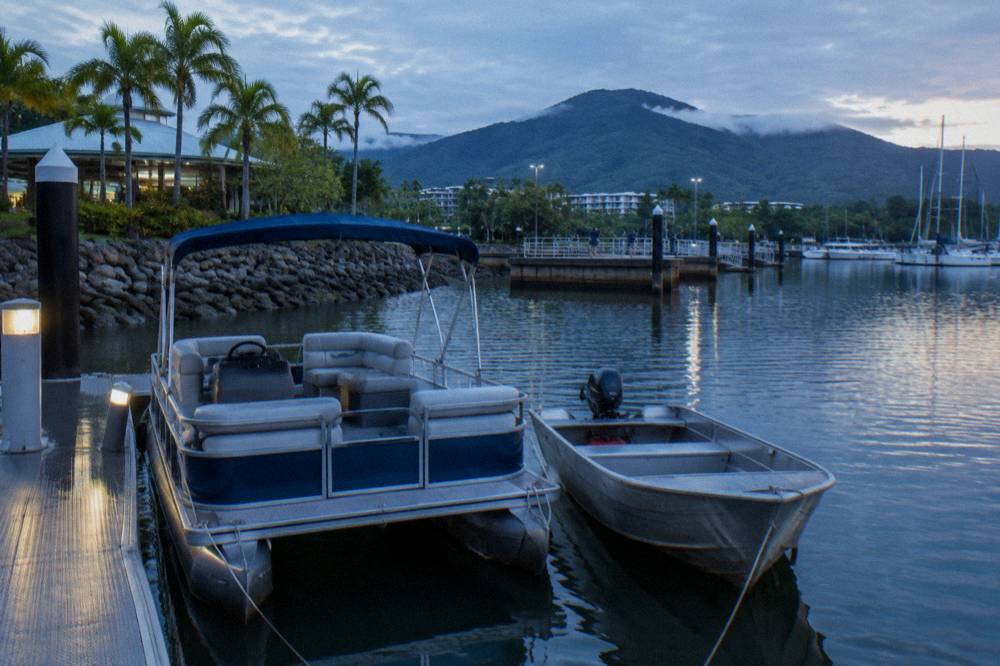
On a self-drive hire, you are the skipper. Cairns Boat Hire runs from Berth A1 at the Marlin Marina, and the pontoon option, from AUD 249 per group for a boat that holds up to 8, includes a safety briefing and fishing-spot tips at collection, with fuel and life jackets included and fishing rods and bait as optional extras. It carries a 4.8 rating from only 8 reviews, a small pool stated plainly. The tinny option, from AUD 189 per group of up to 4, is the budget entry, with rods, esky, bait and ice all costing extra. Both require a driver aged 18 or over with a driver's licence, and no marine licence is needed per the listing. For anyone weighing the two approaches, the Cairns Fishing Charters Compared guide sets them side by side with prices.
The estuary alternative deserves a mention here because it sidesteps reef zoning entirely. Trinity Inlet sits inside state waters rather than the federal Marine Park zones, and the morning estuary charter, from AUD 150 per person with a 4.6 rating from 22 reviews, supplies rods, reels, bait and tackle for a 4.5 hour trip on a 19-foot river boat with a maximum of 6 guests. The listing does not name target species, so the honest framing is that it fishes Trinity Inlet and lets the day speak.
Where Do You Get Free Zoning Maps Before You Fish?
The Reef Authority provides free zoning maps through bait and tackle shops, visitor centres and Queensland Parks and Wildlife Service offices, or by calling 1800 990 177. The official zoning maps page carries the current Cairns area maps, and no payment is required for any of them.
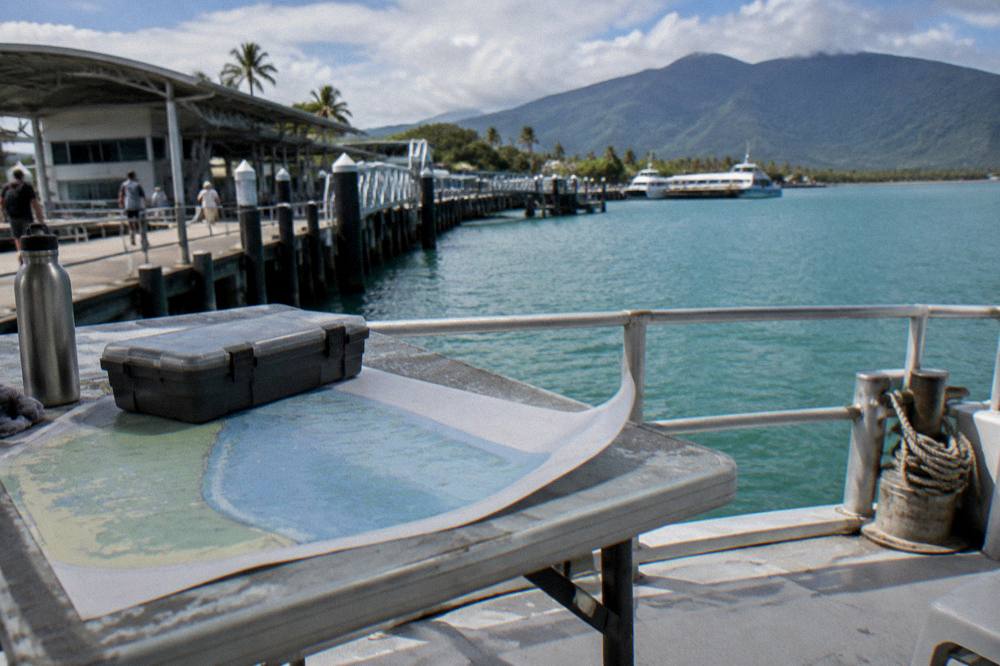
This detail surprises people who expect a paywall around regulatory material. The zoning maps are free, they are printed at usable scale, and the tackle shops of Cairns keep them by the counter because their customers ask constantly. The Reef Authority's zoning maps page, at gbrmpa.gov.au/access/zoning/zoning-maps, is the authoritative online source, and the Cairns Area Plan of Management page covers the local rules that sit on top of the zones. If you are hiring a boat, pick up a paper map at the same time you buy bait: a printed map on the console beats a phone screen with no signal, and the coast between Cairns and the outer reef has patches where coverage drops.
The state rules that pair with the federal zones live on the Queensland government's tidal fishing pages, where the size and possession limits in the table above are published in full at qld.gov.au, and the closure dates sit on the Fisheries seasons page at daf.qld.gov.au. Between the federal maps and the state rules, an angler has everything needed to plan a legal day. Visitors should also skim the Queensland Fishing Rules For Visitors guide, which covers the licence question, the answer being that no general licence is needed in tidal waters or on the reef.
Do Stingers, Seasons Or Crocodiles Change The Zone Picture?
Zoning does not change with the seasons, but two calendar facts sit alongside it: marine stinger season runs November to May with lower risk from June to October, and the reef finfish spawning closures pause take for two five-day windows in October and November. Neither alters the zone boundaries, so a green zone is a green zone all year.
The stinger season is the one visitors most often conflate with fishing rules. Box jellyfish and Irukandji are present in tropical Queensland waters year round, with higher risk from November to May, and the official guidance recommends stinger suits in inshore and coastal waters through that window. Outer reef trips carry lower risk than inshore beaches regardless of season, which is one reason the shared reef charter is a comfortable choice in the warmer months: the boat fishes offshore grounds, and the operator's stinger guidance applies to the water you actually swim in, if you swim at all.
Crocodiles are an estuary and river fact rather than a reef one. The Queensland government's guidance for Far North Queensland is blunt: no water body in croc country is considered free of crocodiles, stand well back from the water's edge, never wade in to retrieve lures, never clean fish or dump scraps near water or boat ramps, and take extra care at dusk, dawn and after rain or high tides. Sightings can be reported on 1300 130 372. None of this touches the offshore reef zones, but anyone combining a reef day with an estuary day, as many Cairns visitors do, should carry both rulebooks in their head. The Cairns Fishing Season By Month guide maps the whole year, including the coral trout prime window of August to October and the Spanish mackerel run from May to November.
The final piece is the black marlin season, which runs late September to December with the peak in October and November on the outer reefs from the Ribbon Reefs toward Lizard Island. It belongs to the wider Cairns fishing story rather than the zone rules, and this site's roster carries no marlin or game-boat trip: the nearest honest fit is the shared reef charter described above, a bottom-fishing day for coral trout and red emperor, not a marlin trip. Anglers chasing marlin facts can read the Marlin Fishing Cairns guide for the season detail. For anyone curious how far offshore those grounds actually sit, the distance guide to the Cairns marlin grounds lays out what is known and where the honest reef alternative fits.
Common Questions About Great Barrier Reef Fishing Zones
Can you fish the Great Barrier Reef from Cairns?
Yes. Around two thirds of the Marine Park is open to line fishing in some form, with only the green no-take zones, Preservation zones and research areas closed. Shared charters out of the Cairns Marlin Marina fish permitted grounds within about 50 km of the city, and self-drive boats can reach line-fishing water in Trinity Inlet and nearby.
How much of the Great Barrier Reef is a no-take green zone?
About 33 per cent of the Marine Park is Marine National Park Zone, where all fishing and collecting are prohibited without a permit. Habitat Protection zones cover about 28 per cent, Buffer zones about 3 per cent and Preservation zones under 1 per cent. The remainder is General Use and other zones where line fishing is allowed within gear limits.
How many rods can you use on the Great Barrier Reef?
In General Use and Habitat Protection zones the allowance is up to three hand-held rods or handlines per person with a combined maximum of six hooks. In the yellow Conservation Park Zone it drops to one rod or handline and one hook per person. Green zones allow no fishing gear in the water at all.
Can you cross a green zone with fish on the boat?
Yes, provided the fish were legally caught outside the green zone and your gear is stowed: rods secured inboard or in rod holders, no lines in the water, no bait deployed. Fishing while inside the green zone, even briefly, is prohibited.
When are the reef fishing closures in 2026?
The coral reef finfish spawning closures run 8 to 12 October and 6 to 10 November 2026, and they bind charter boats as well as private anglers. The northern Spanish mackerel closures run 8 to 29 October and 6 to 27 November 2026. Estuary fishing stays open through these windows.
Where do you get free Great Barrier Reef zoning maps?
Free zoning maps are available from bait and tackle shops, visitor centres and Queensland Parks and Wildlife Service offices, or by calling 1800 990 177. The Reef Authority also publishes the current Cairns area maps on its official zoning maps page.